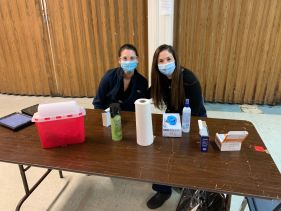
Course Co-Directors Isabel Reckson, MPH, RD, CDE, CDN and Marisa Censani, MD
The WCM Kids and Teens Healthy Weight Program is going VIRTUAL for Fall 2020!
Join us for cooking demos, meal plan ideas, fitness tips, and more as we host a series of interactive, fun sessions on healthy eating and other important nutrition concepts. Designed especially for children and teens, family members and caretakers are encouraged to attend, too!
The Kids and Teens Healthy Weight Program at Weill Cornell Medicine and NewYork-Presbyterian Hospital has been developed and is hosted by Marisa Censani, MD, a pediatric endocrinologist and expert on pediatric obesity, and Isabel Reckson, MPH, CDE, RD, a registered dietitian and certified diabetes education.
Enrollment Deadline: 9/21/2020
Sessions Start: 10/5/2020
Session Schedule
Session 1: Staying Fit for the Future
This session teaches families about nutritional requirements while exploring technology, community resources, and the principles of healthy weight management.
DATE: Monday, October 5, 2020, 5:00-6:00 p.m.